
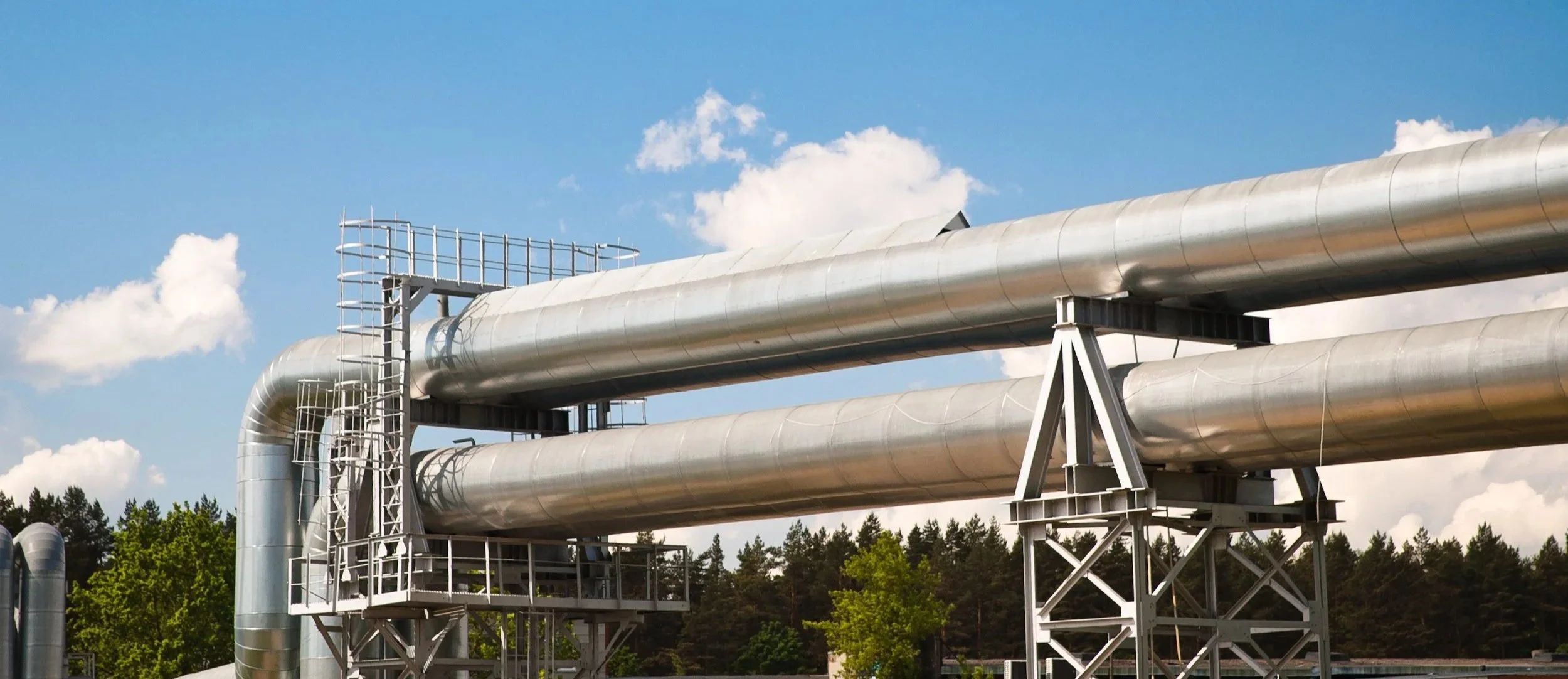
Biogenic CO
2
Placing biogenic carbon dioxide from anaerobic digestion into industrial markets and permanent carbon removal.
The Resource
Anaerobic digestion produces raw biogas, composed of biomethane (c.55-70%) and biogenic CO₂ (c.30-45%). Unlike fossil-derived CO₂, this biogenic CO₂ originates from organic matter that absorbed carbon from the atmosphere during its lifetime, giving it a fundamentally different carbon lifecycle profile.
A concentrated CO₂ stream is produced where biogas undergoes upgrading: a process that separates the CO₂ from the methane to produce pipeline-quality biomethane for gas grid injection. Only a minority of the UK's 700-plus AD plants do this, with the majority instead burning their biogas directly in combined heat and power engines. Even among those that do upgrade, most vent the separated CO₂ directly to atmosphere. It is an output with established industrial demand and carbon removal potential that goes, for most operators, entirely un-monetised.
The Problem Kerkap Solves
-
Industrial demand for biogenic CO₂ is growing faster than supply. For example, UK sustainable aviation fuel (SAF) production will drive hundreds of thousands of tonnes of low-carbon CO₂ demand growth per annum by 2030. At the same time, food and beverage buyers continue to face periodic shortages, horticulture is expanding its CO₂ enrichment use, and new industrial applications are emerging. Against that demand picture, biogenic CO₂ supply in the UK is fragmented and often unrealised. Buyers seeking long-tenor, specification-matched supply face a sourcing problem that is operationally intensive to solve plant-by-plant.
Kerkap solves that problem on the buyer’s behalf. We maintain visibility across the UK AD biomethane fleet, assessing AD CO₂ specification and feedstock profile against buyer criteria, and aggregate supply where a single plant cannot meet the volume required.
-
Biogenic CO₂ from AD plants is not just an industrial commodity; it can also be permanently removed from the atmosphere through carbon dioxide removal technologies.
For companies with residual emissions that cannot be eliminated through operational changes alone, high-integrity carbon removals are an increasingly urgent long-term requirement. Recognised frameworks, including the Oxford Offsetting Principles and emerging SBTi guidance on removals, clearly recommend the need for genuine carbon removals, directing corporate buyers toward durable, independently verified, technology-based solutions with high permanence of carbon sequestration.
Bioenergy with Carbon Capture and Storage (BECCS) represents an established pathway to meet these criteria. Biogenic CO₂ is captured during the upgrading stage at the AD plants and transported to geological storage sites for permanent sequestration. Because the carbon originated from organic matter that absorbed it from the atmosphere during its lifetime, capturing and storing it constitutes a verified net removal. CO₂ from genuine waste-fed AD plants has the strongest carbon lifecycle from a sustainability perspective, as little to no emissions from the original biomass growth need to be associated with the waste. The UK Government has identified BECCS as a critical technology in its carbon removal strategy, with the Climate Change Committee's Seventh Carbon Budget projecting that BECCS will account for most of the UK's engineered removals through the 2030s and 2040s. Corporate demand for credits of this quality currently outpaces supply significantly.
How we work

-
Kerkap originates biogenic CO₂ on behalf of industrial buyers. We hold the buyer relationship and take an origination fee from the buyer when a contract is placed. Buyers come to us with a volume, purity and location specification; we identify AD plants whose CO₂ stream matches that profile, structure the offtake on terms that work for both sides, managing the commercial relationship through to delivery.
We work across the spectrum of end markets; horticulture, industrial gases, wastewater treatment and fabrication, SAF, and food and beverage. We match each AD plant’s CO₂ quality and feedstock profile to the market that values it most. A particular focus is unlocking value from streams that fall outside food-grade certification but are well-suited to synthesis, industrial or geological-storage applications.
-
Kerkap is developing BECCS carbon removal projects in the United Kingdom, targeting long-term CO2 offtake agreements with AD operators and connecting their output to geological storage infrastructure. Carbon removal credits generated through these projects are sold to corporate buyers under multi-year offtake agreements. This provides AD operators with a new, long-term contracted revenue stream from CO2 and provides buyers with high-integrity, independently verified technology-based carbon removals.