
Digestate
Turning an operational liability into a certified, commercial product stream.
The Digestate
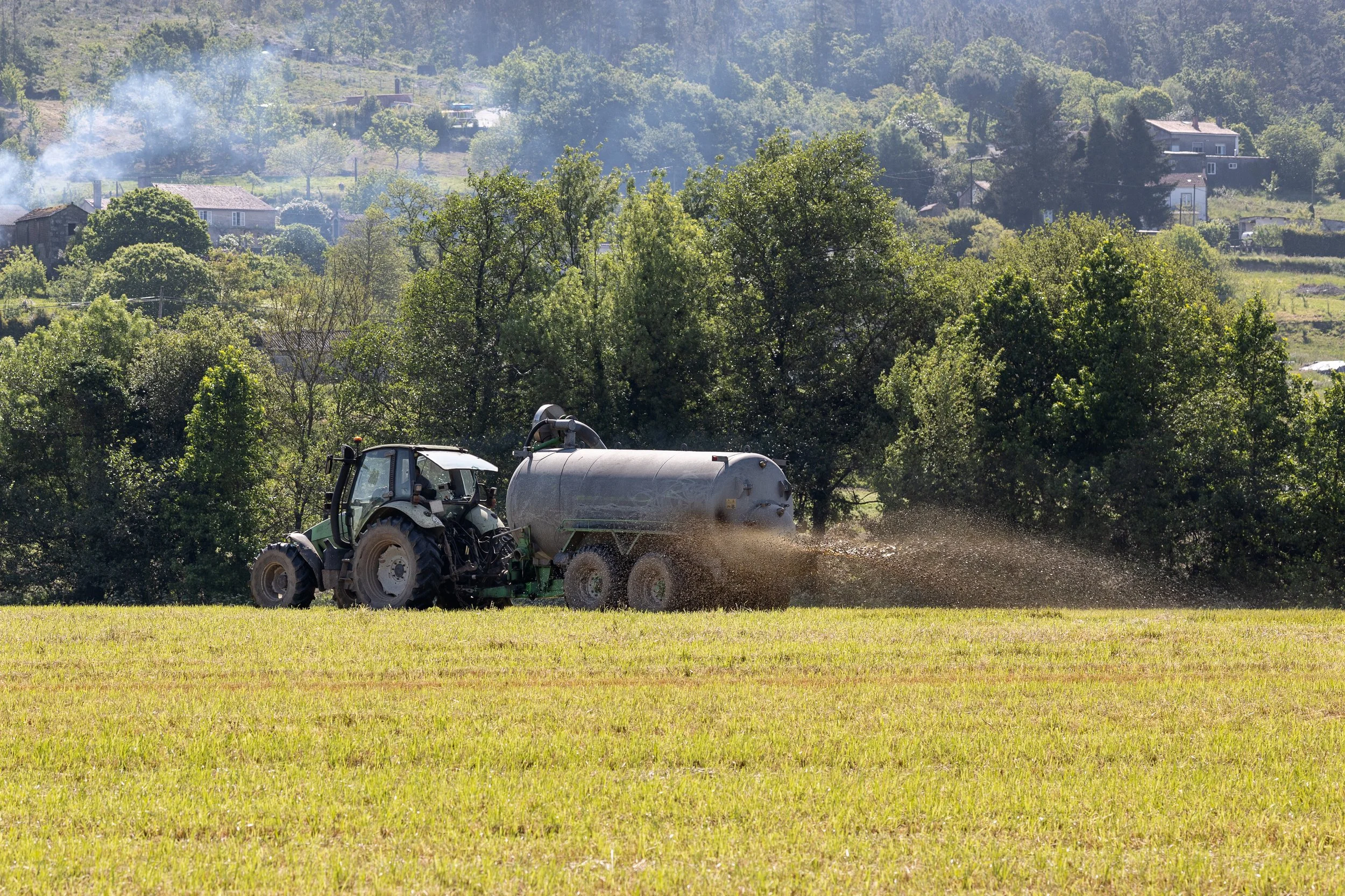
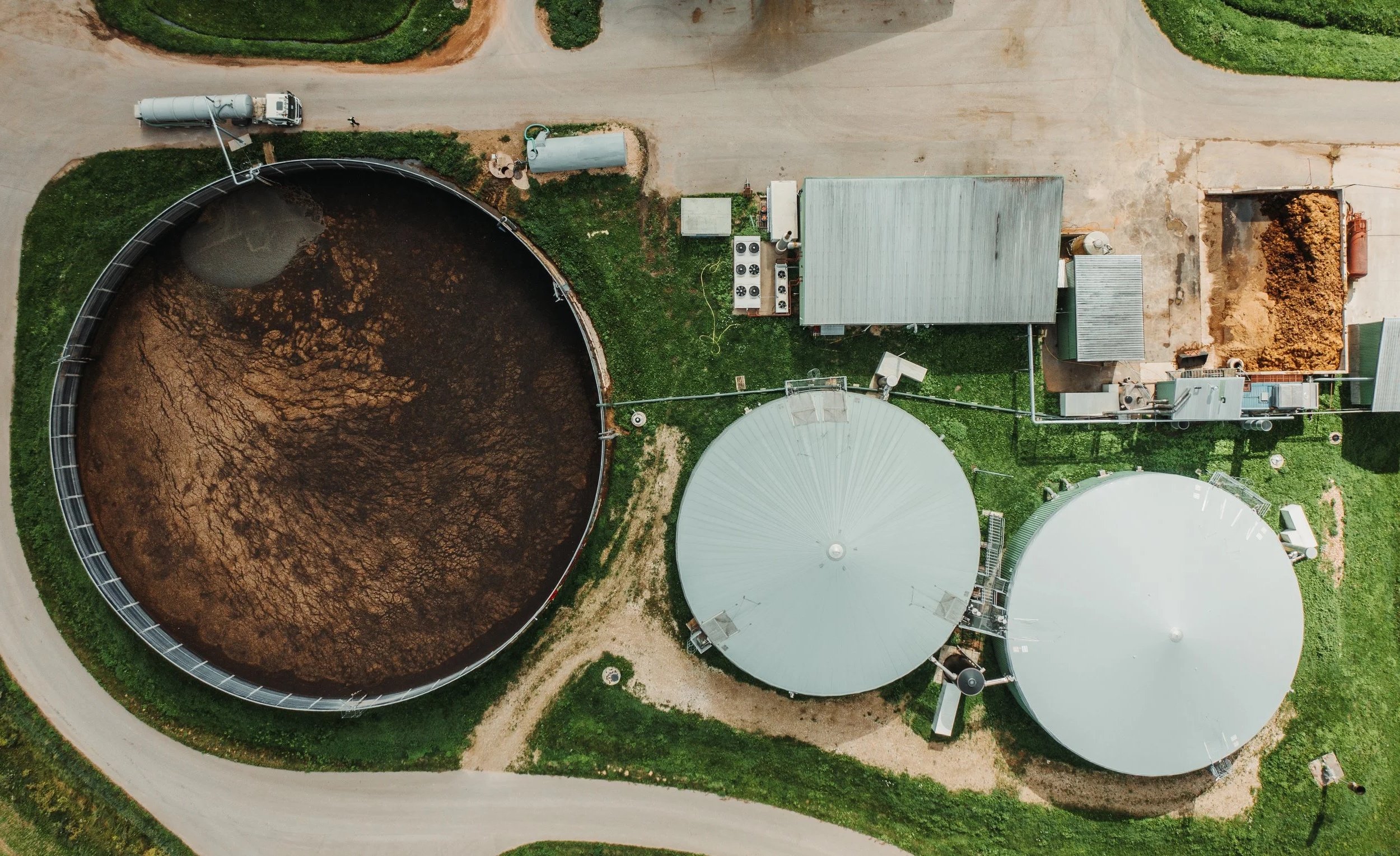
Digestate is the organic material that remains after the anaerobic digestion process. Every AD plant produces it as an unavoidable co-product of biomethane generation. In its raw, unseparated form it is a high-volume, liquid-heavy material made of primarily water, but with a underutilised nutrient-rich content.
The Problem Kerkap Solves
-
Digestate in its raw, unseparated form represents a high operational cost for AD operators. It is bulky, liquid-heavy, and increasingly subject to regulatory restriction as nutrient loading pressures on UK waterways tighten. Most operators manage digestate as a liability, paying for its removal rather than capturing its commercial value. Cascade separation, in its most simplistic form liquid solid separation, can reduce removal costs a provide a sustainable & marketable product.
-
With its partners Kerkap is working to certify the fibrous fraction of the digestate as a structural input for professional growing media, substituting peat. The UK Government has committed to totally phasing out peat by 2030, resulting in a demand for quality-certified and traceable alternatives. Digestate fibre certified to PAS 110, the British Standards Institution's publicly available specification for quality-assured digestate, could provide this consistency, traceability, and pathogen safety that large horticultural buyers require.
-
Digestate-derived products play a meaningful role in reducing the carbon footprint of UK agriculture. Synthetic fertilisers are energy-intensive to manufacture (the Haber-Bosch process for ammonia production alone accounts for roughly 1–2% of global CO₂ emissions) and their prices are highly volatile. Digestate-based biofertilisers offer a cheap, locally sourced, and circular alternative with comparable nutrient profiles.
The nitrogen, phosphorus, and potassium in digestate also carries higher bioavailability than many synthetic equivalents, meaning plants access nutrients more efficiently with lower risk of run-off into waterways. Replacing even a portion of synthetic fertiliser inputs with certified digestate products contributes directly to agricultural decarbonisation and supports long-term soil health. It also reduces farmer exposure to fertiliser price volatility, a material benefit given how tightly synthetic fertiliser prices track natural gas markets.
How we work

How We Work
Our starting point is cost reduction, eliminating as much of the disposal liability as possible, and building toward a positive revenue stream from the same material.
We work with AD plant operators to assess their digestate output, advise on separation infrastructure, and develop routes to market across the relevant end sectors. Kerkap supports the operator through certification (including PAS 110), end-market origination, and commercial structuring of offtake agreements. Where separation infrastructure is not yet in place, we make the investment case, advise on equipment selection, and define the process configuration needed to produce a fibre output meeting certifiable quality standards.